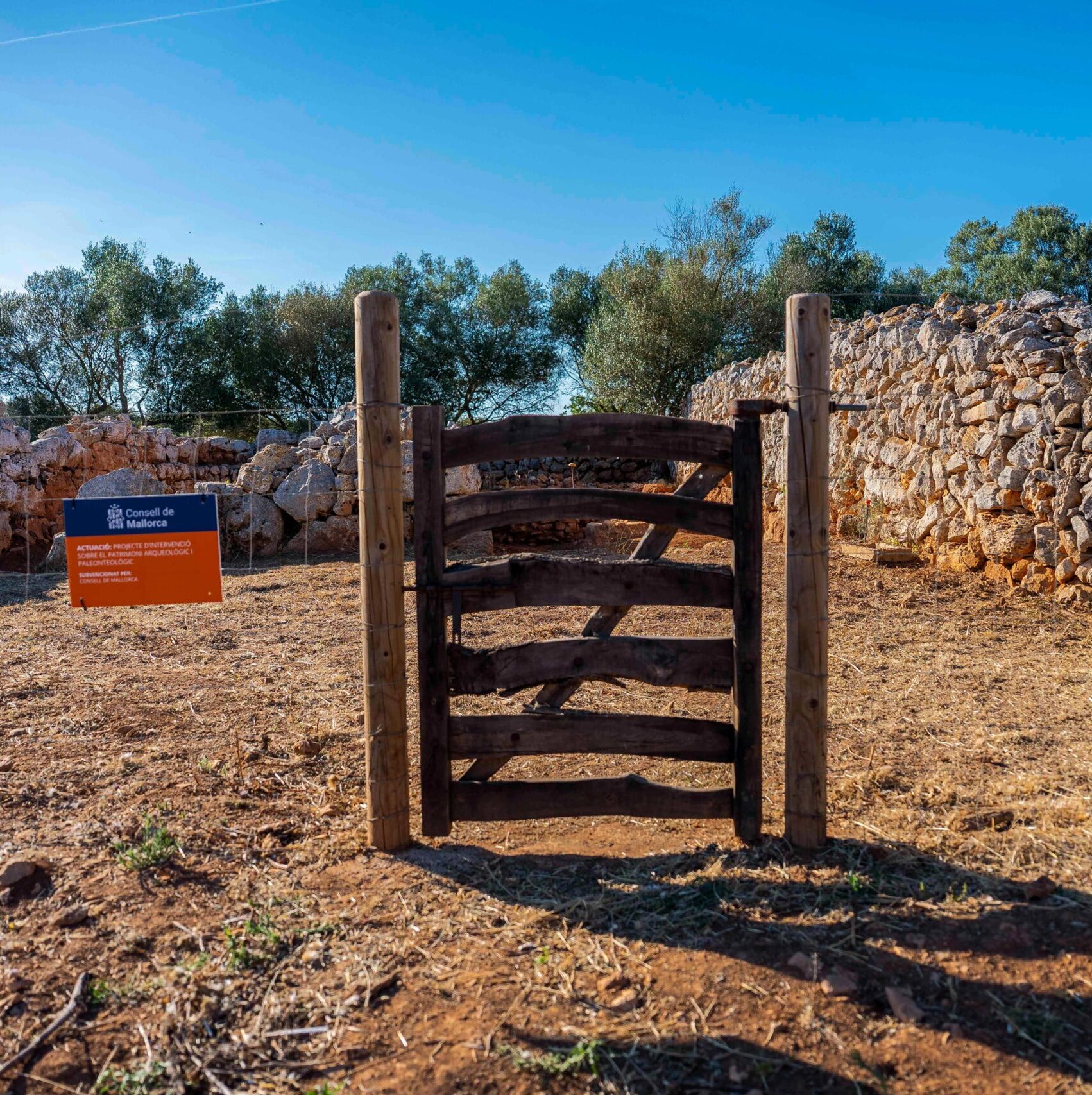
Felanitx is home to a rich archaeological heritage spread across the whole municipality. Talayots, settlements of naveta houses, caves and other remains give us an insight into much of Mallorca’s prehistory and help us understand how the communities that came before us lived in, inhabited and transformed this landscape.
The Felanitx Archaeological Route is the result of many years of research and of a way of understanding archaeology that goes beyond scientific study: getting to know our heritage, conserving it and making it accessible so that everyone can share and enjoy it.
Its origins are closely linked to the Closos Project, which began in 1996 with the archaeological excavations at the Closos de Can Gaià. For almost three decades, this project has combined research, protection and outreach, while helping to bring Mallorca’s prehistory closer to society. Over the years, this approach has extended beyond the Closos, with the study and recovery of other sites in the municipality.
This journey gave rise to the Route, which links four particularly significant places: Cova II de sa Mola d’en Bordoy, Can Roig Nou, the Closos de Can Gaià and Es Rossells. Each one reveals a different reality and, together, they let us explore an important part of Mallorca’s prehistory through its burial sites, settlements and great monumental buildings.
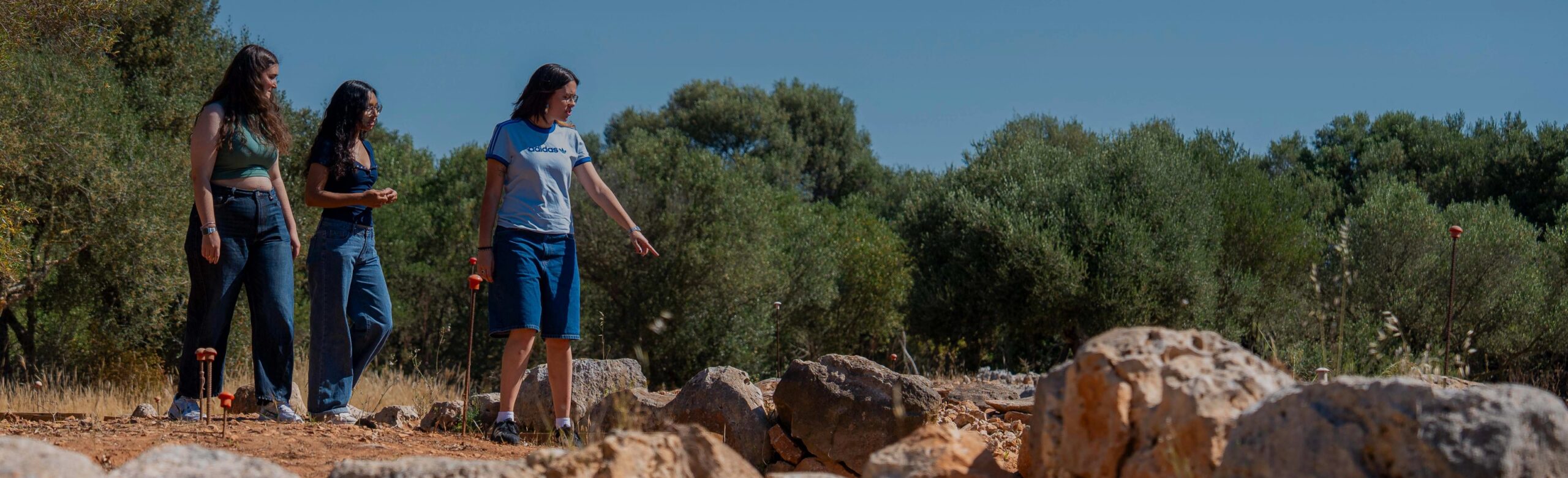
But the Route is not meant to be just an itinerary between sites. It is also an invitation to walk through the land, observe it and see the Felanitx landscape through different eyes. The archaeological remains are part of this landscape and help us understand how it has been inhabited and transformed over time.
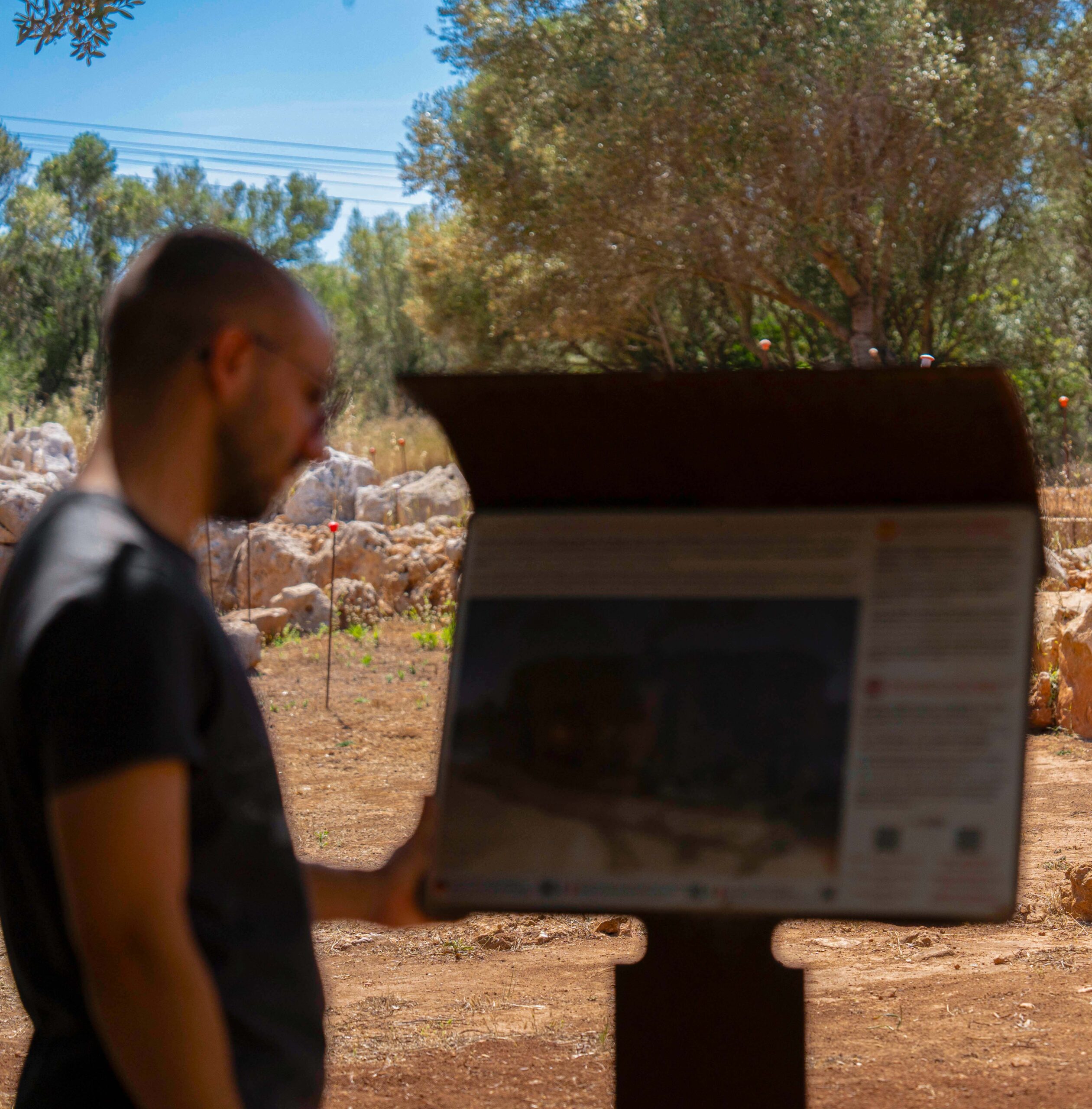
Bringing this heritage closer to society is also a way of protecting it. That is why the Route is committed to respectful access to the sites, to sharing the knowledge generated by research and to an experience that lets you discover, understand and enjoy our past.
Because only what we know can truly be valued, shared and preserved.